
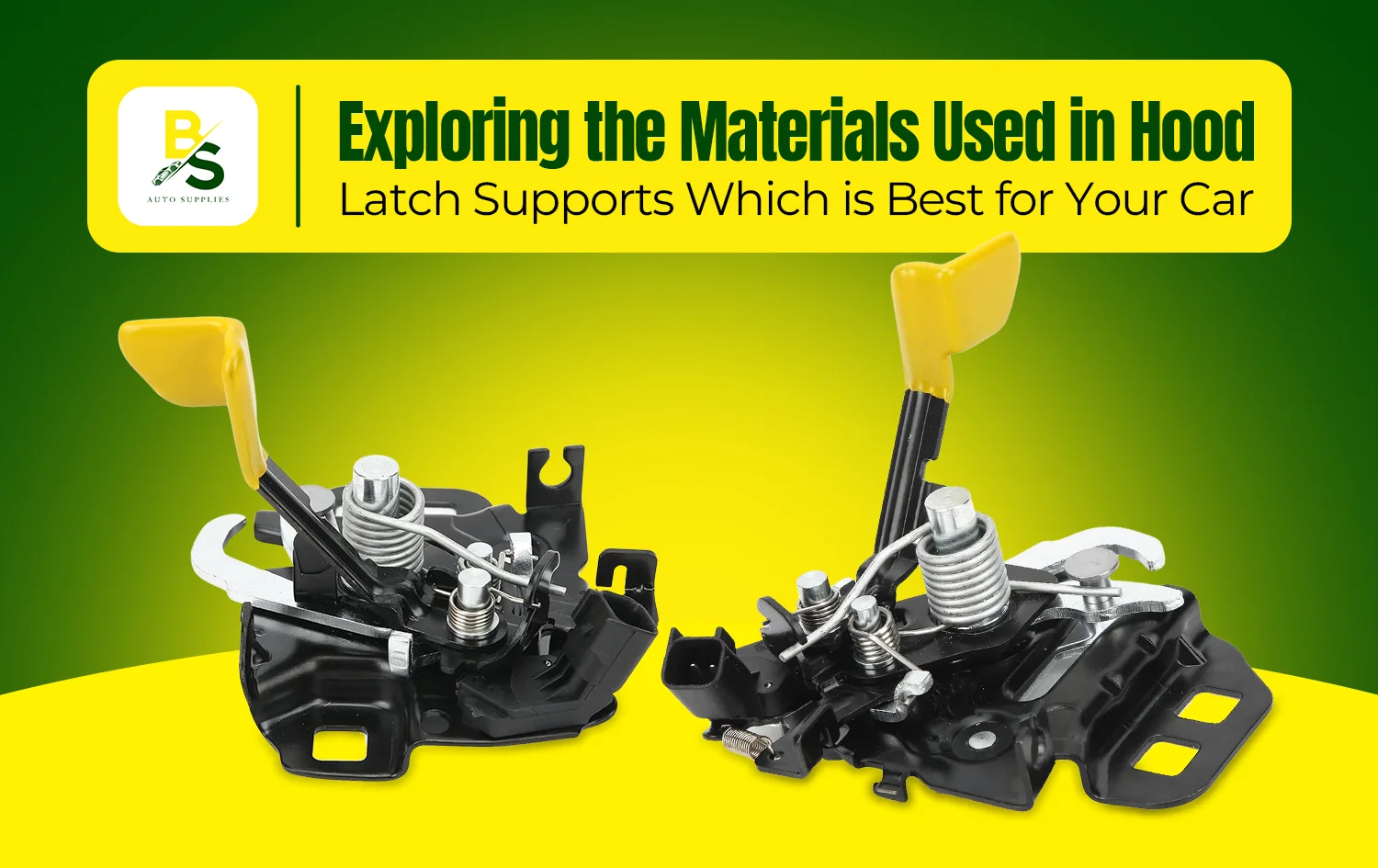
When it comes to maintaining and repairing your car, it’s easy to overlook the smaller components that ensure its functionality. One such essential part is the hood latch support. This often-underappreciated component is critical in keeping your vehicle’s hood securely closed while providing support during maintenance. But have you ever wondered what materials are used in hood latch supports? Choosing the right material can significantly affect the durability and performance of this part. In this blog, we will explore the different materials used for hood latch support in Greenville , their benefits, and how to choose the best one for your car.
What is a Hood Latch Support?
A hood latch support in Greenville is a device that holds the car's hood in place while allowing it to be opened and closed securely. It supports the latch mechanism, ensuring that the hood remains shut while driving, preventing it from unexpectedly opening while the vehicle is in motion. It also ensures smooth operation when you need to access the engine compartment.
The support often consists of various parts, including the latch assembly, struts, and hydraulic pistons, which together enable the hood to stay open at a fixed angle while you work under the hood. The design and material of the hood latch support directly influence its reliability and performance.
Materials Used in Hood Latch Supports
The material used for hood latch support in Greenville plays a significant role in the component's overall performance, safety, and durability. Several materials are commonly used for manufacturing hood latch supports, each offering distinct advantages. Let’s take a look at the most popular materials.
1. Steel
Steel is one of the most common materials used in manufacturing hood latch supports. Steel is known for its strength, durability, and resistance to wear and tear. It can withstand the repeated forces exerted by the hood latch mechanism without bending or breaking, making it ideal for frequently opened and closed cars.
Advantages:
- Strength and Durability : Steel provides excellent structural integrity and resistance to impact, ensuring long-lasting performance.
- Corrosion Resistance : Galvanized or stainless steel options offer protection against rust and corrosion, making them suitable for various environments, including wet or salty conditions.
- Affordability : Steel is relatively cost-effective compared to other materials, making it an economical choice for manufacturers and consumers.
However, steel can be relatively heavy, affecting the vehicle's overall weight. Consider other materials if you are looking for a material that offers more lightweight options.
2. Aluminum
Aluminum is a lightweight, corrosion-resistant metal often used in automotive components. Many modern vehicles in Greenville use aluminum hood latch supports due to the material's high strength-to-weight ratio. This makes aluminum a good choice for manufacturers looking to reduce the weight of their vehicles while maintaining the performance of the hood latch support.
Advantages:
- Lightweight : Aluminum is much lighter than steel, which helps improve the car's fuel efficiency and overall performance.
- Corrosion Resistance : Aluminum naturally forms a protective oxide layer, making it resistant to rust and an excellent choice for vehicles exposed to harsh weather conditions.
- Easy to Mold and Shape : Aluminum is easier to work with during manufacturing, allowing for more design flexibility.
While aluminum offers superior lightness and corrosion resistance, it may not be as strong as steel and could be more prone to denting or damage under heavy stress. Nonetheless, aluminum is ideal for those seeking a balance of strength and weight.
3. Plastic and Composite Materials
Plastic and composite materials are becoming more popular in modern vehicle manufacturing due to their cost-effectiveness, light weight, and ability to withstand environmental elements. Many manufacturers use plastic hood latch supports in Greenville for non-load-bearing components of the latch mechanism. These materials are often reinforced with fiberglass or carbon fiber to enhance strength.
Advantages:
- Lightweight : Plastic components are generally lighter than metal, which helps reduce the vehicle's overall weight.
- Cost-Effective : Plastic is often cheaper than metals like steel and aluminum, making it an affordable choice for budget-conscious consumers.
- Corrosion Resistant : Plastic and composite materials are not prone to rust, making them an ideal option for vehicles that operate in wet or humid environments.
However, plastic materials might lack the durability and strength of metal, especially under extreme temperatures or heavy stress. As a result, plastic supports are often used for less critical parts of the hood latch mechanism rather than the primary support components.
4. Rubber
Rubber is used in some hood latch support in Greenville systems, particularly gaskets, seals, and bushings. Rubber parts help absorb shock and vibrations, ensuring smooth operation of the latch mechanism and preventing wear and tear on other components.
Advantages:
- Shock Absorption : Rubber parts effectively dampen vibrations and impact, contributing to the overall smooth operation of the hood latch.
- Flexibility : Rubber gaskets and seals are highly flexible, which makes them effective at filling gaps and preventing moisture and dirt from entering the latch mechanism.
- Noise Reduction : Rubber components can also reduce noise, making them useful in preventing rattling or clunking sounds from the hood latch mechanism.
However, rubber parts may degrade over time due to exposure to sunlight, heat, and chemicals. Regular maintenance and replacement of rubber seals and gaskets are necessary to keep the hood latch support functioning optimally.
How to Choose the Best Hood Latch Support for Your Car
When selecting a hood latch replacement in Greenville, it’s important to consider several factors to ensure you get the best part for your vehicle. Here’s what to keep in mind:
1. Compatibility with Your Car’s Make and Model
The material of the hood latch support should be compatible with your vehicle’s specifications. For example, high-performance cars may require more durable materials, while everyday vehicles might benefit from lightweight materials like aluminum or plastic.
2. Durability and Strength
A more durable material like steel may be a better option if your car is frequently exposed to extreme conditions, such as rough terrain or harsh weather. On the other hand, if weight reduction is a priority, aluminum or plastic may be a better fit.
3. Cost and Budget
Your budget is an important factor in determining the material of your hood latch support. While materials like aluminum or steel may cost more upfront, they may offer longer-lasting performance and fewer replacements in the long run.
4. Environmental Conditions
Consider the environment in which your car operates. If you live in a coastal area where salt and moisture can cause corrosion, a hood latch support in Greenville made of rust-resistant materials like stainless steel or aluminum may be necessary.
Conclusion
The material used in your hood latch support in Greenville is critical to your vehicle's performance, durability, and safety. Whether you choose steel, aluminum, plastic, or rubber, each material offers unique benefits depending on your vehicle’s needs and operating conditions. When choosing the right hood latch replacement in Greenville, consider compatibility, durability, cost, and environmental conditions to ensure you’re making the best decision for your car.





0 Comments